By Festus Damilare Ukolo | Fact Frontier.
Click here to read more about the reporter.
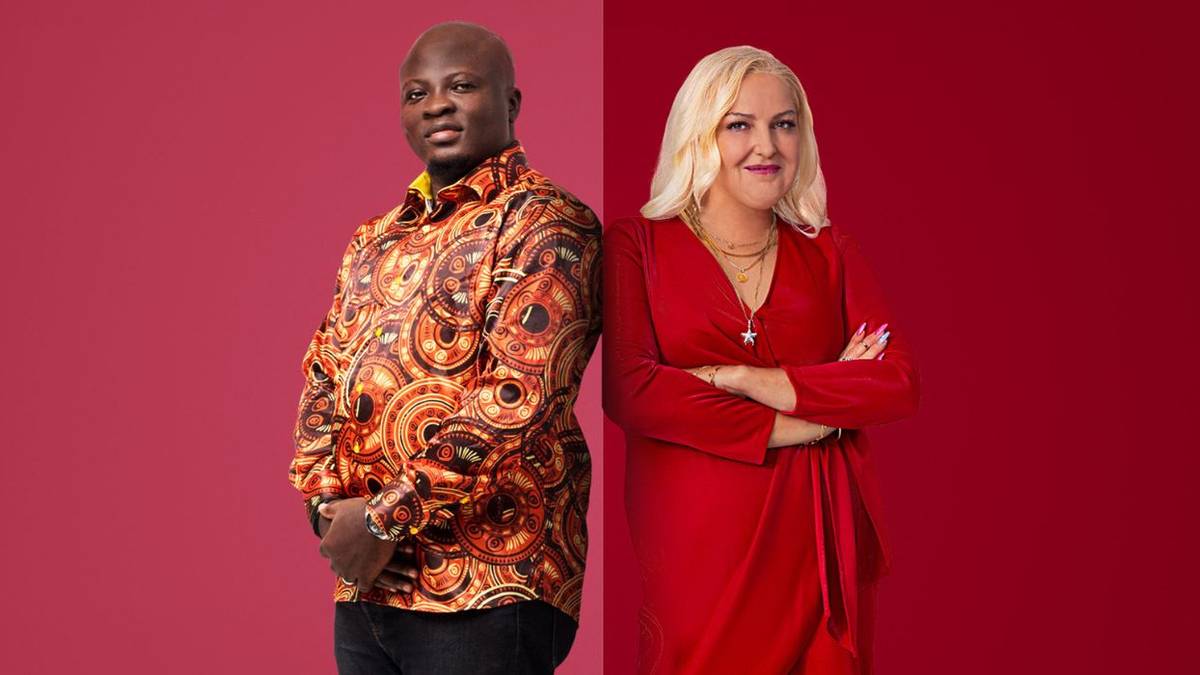
It was a scene that starkly contrasted the screaming matches and tear-filled episodes of 90 Day Fiancé. On March 10, 2026, Michael Ilesanmi walked out of a Georgia courthouse not with his head down, but with a bounce in his step and a divorce decree in his hand. The Nigerian reality star legally severed his ties with Angela Deem, and his public reaction—“Finally, I’m divorced... Single life, here I come!”—has since gone viral, prompting a global conversation about the mental toll of such high-conflict international relationships.
While the legal proceedings concluded with a standard settlement—no alimony, divided assets, and a mutual non-disparagement clause—Ilesanmi’s exuberance speaks to a much deeper liberation. For millions watching his journey from Nigeria to rural Georgia, his happiness represents the end of a modern-day ordeal that many immigrant men, particularly Nigerians, face in cross-cultural marriages.
The Roots of Relief
To understand why Ilesanmi is celebrating, one must look beyond the paperwork. Throughout their relationship on the hit TLC show, Angela Deem was portrayed as the dominant, often volatile partner. Clips frequently showed Deem physically intimidating Ilesanmi, hurling insults, and controlling his access to communication and finances. For Ilesanmi, the divorce is not just a legal formality; it is an escape from a publicly documented cycle of alleged abuse and control.

"He isn't just happy about being single; he is happy about being safe and being seen," says relationship expert Dr. Amina Salami. “For years, the narrative painted him as a scammer or a user. By finally walking away with his green card and his legal autonomy intact, he has reclaimed his dignity.”
The final judgment, signed by Judge Roger B. Lane of the Superior Court of Jeff Davis County, allows Ilesanmi to keep his vehicle and his earnings, effectively allowing him to start his life in America from scratch, unencumbered by the legal ties to a woman he fled from shortly after arriving in the U.S. in early 2024.
The Broader Fate of Nigerian Men in Tightening Relationships
However, Ilesanmi’s story is a rare success story in a diaspora often filled with legal limbo and heartbreak. His case sheds light on the precarious fate of many Nigerian men who enter into relationships with Western partners—relationships often fraught with power imbalances stemming from immigration status and cultural misunderstandings.
In many instances, these unions are marred by what critics call "visa lottery" dynamics. The Nigerian partner often faces a "tightening" grip of control, where their residency status is used as a tool for compliance. Ilesanmi’s situation was so severe that he alleged he had to "escape" from Deem’s residence, a claim that fueled the contentious separation.
Immigration attorney Bunmi Lawson notes that while the K-1 visa process is designed to unite couples, it can inadvertently create indentured situations. "The immigrant partner is completely dependent on the petitioner for their status in the initial phases," Lawson explains. "If the relationship turns abusive or controlling, the immigrant faces a harrowing choice: endure the situation or risk deportation. The power dynamic is inherently unequal, and for men, there is often an added layer of stigma that prevents them from speaking out about domestic abuse."
Angela Deem herself seemed to acknowledge the transactional nature of the union in a resurfaced clip following the divorce, where she stated: "He didn't love me. He wanted a green card." Whether that accusation is true or a reflection of bitterness, it underscores the toxic suspicion that often poisons these relationships. For the men involved, the constant label of "opportunist" can be as damaging as the legal controls placed upon them.
A New Chapter
For Michael Ilesanmi, the future is now unwritten. He remains in the United States legally, having likely secured his permanent residency through the divorce process (provided he can prove the marriage was entered in good faith). His celebratory video serves as a beacon of hope for other Nigerian men still trapped in unhappy or coercive unions.
“I am free,” Ilesanmi mouthed to the camera outside the courthouse. For the countless men watching from the shadows of similar tightening relationships, his freedom is symbolic. It proves that beyond the screaming matches, the immigration courts, and the cultural clashes, a life of peace and autonomy is possible once the gavel falls.